Free Air Source Heat Pump Grant
Replace your old, inefficient heating system with a modern air source heat pump — completely free through the Warm Homes: Local Grant. Save up to £450 per year on energy bills while reducing your carbon footprint.
How Does an Air Source Heat Pump Work?
An air source heat pump works by absorbing heat from the outside air — even when it's cold — and using it to heat your home and hot water. It uses the same proven technology as your refrigerator, but in reverse.
A fan draws outside air over a heat exchanger containing refrigerant fluid. This fluid absorbs the heat and is compressed to raise its temperature further. The heat is then transferred to your home's heating system — radiators, underfloor heating, or hot water cylinder.
For every unit of electricity a heat pump uses, it produces 3 to 4 units of heat. Compare this to a gas boiler, which at best converts 90% of its fuel into heat. This is why heat pumps are considered one of the most energy-efficient heating technologies available today.
Air Absorbed
A fan draws in outside air, even in temperatures as low as -25°C.
Heat Extracted
Refrigerant absorbs heat from the air through a heat exchanger.
Heat Compressed
A compressor raises the temperature of the refrigerant significantly.
Home Heated
The heat is transferred to your radiators, underfloor heating, or hot water.
How Much Could You Save?
Switching to an air source heat pump can save you significant amounts on your annual heating bills, depending on your current fuel type.
Savings are estimates based on typical UK homes. Actual savings depend on home size, insulation levels, and energy usage patterns.
Benefits of Air Source Heat Pumps
3-4x Energy Efficiency
For every 1kW of electricity used, a heat pump produces 3-4kW of heat. Gas boilers max out at 0.9kW per 1kW of gas. The efficiency difference is dramatic.
Lower Carbon Emissions
An air source heat pump produces around 250kg of CO₂ per year — compared to 3,500kg for a gas boiler. That's a 95% reduction in emissions from your heating.
Heating & Cooling
Many heat pumps can be reversed in summer to provide cooling. It's like having air conditioning built into your heating system — especially useful as UK summers get warmer.
Low Maintenance
Heat pumps need a professional service only every 2-3 years. There's no annual gas safety check, no combustion risk, and no carbon monoxide concerns.
20-25 Year Lifespan
A quality heat pump will last 20-25 years — significantly longer than a gas boiler's typical 10-15 year lifespan. It's a long-term investment in your home.
Smart Integration
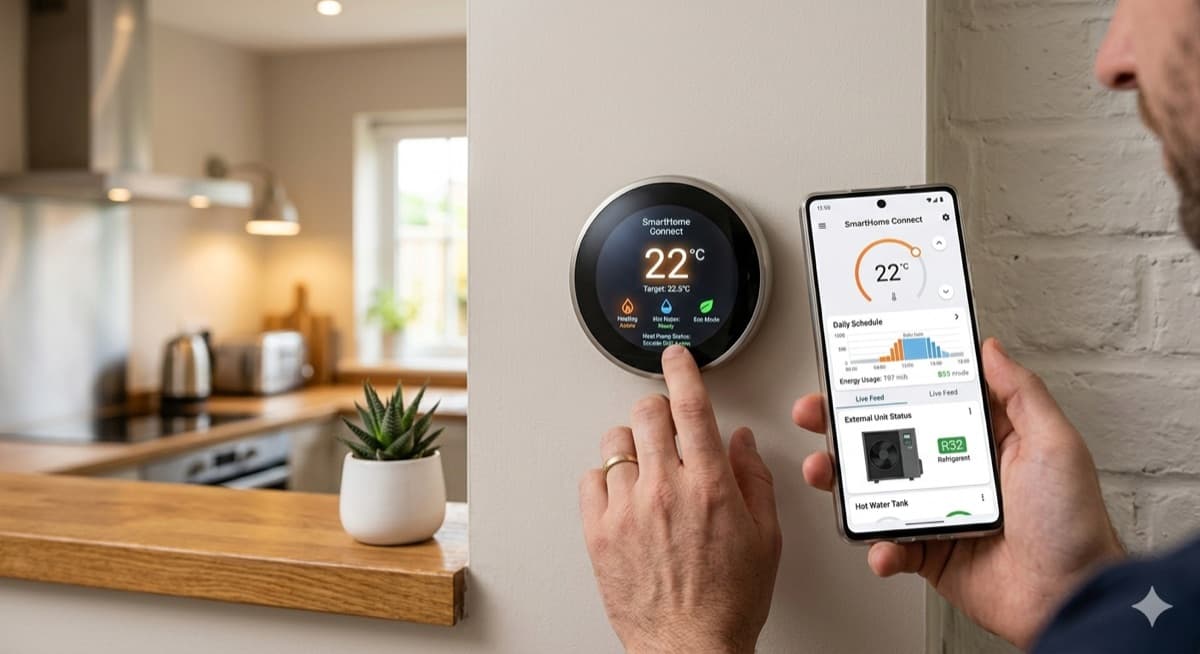
Modern heat pumps work with smart thermostats, allowing you to control your heating remotely, set schedules, and optimise energy usage automatically.
What to Expect During Installation
Installation is carried out by qualified, accredited engineers and typically takes 2-5 days depending on your property.
Site Assessment
Engineers assess the best location for the outdoor unit and plan the pipework routing.
Outdoor Unit Installed
The heat pump unit is placed on a concrete base outside your property with adequate airflow space.
Pipework & Connections
Refrigerant and water pipes are run from the outdoor unit to your indoor heating system.
Indoor Components
A hot water cylinder and any additional controls are installed inside your home.
Electrical Connection
The heat pump is connected to your electrical supply. An upgrade may be needed for some properties.
System Commissioning
The entire system is tested, balanced, and optimised for your home's specific heating requirements.
Handover
Engineers walk you through the system controls and settings, ensuring you're comfortable operating it.
Typical Installation Timelines
Is a Heat Pump Right for Your Home?
Ideal Properties
- ✓Well-insulated homes (or homes getting insulation too)
- ✓Properties with space for an outdoor unit (2m x 1m)
- ✓Homes with underfloor heating or larger radiators
- ✓New builds or major renovation projects
- ✓Detached and semi-detached houses
- ✓Properties replacing oil, LPG, or electric heating
May Need Additional Work
- !Poorly insulated older homes (insulation may be added)
- !Flats or apartments (limited outdoor space)
- !Listed buildings (planning restrictions may apply)
- !Homes with very small radiators (may need upgrading)
- !Properties with single-phase electricity (may need upgrade)
Don't worry — these issues can often be resolved. The survey will identify exactly what's needed.
Environmental Impact
Fewer carbon emissions compared to a gas boiler
CO₂ per year from a heat pump vs. 3,500kg from gas
Of CO₂ saved every year by switching to a heat pump
Air Source Heat Pump FAQs
Other Grants Available
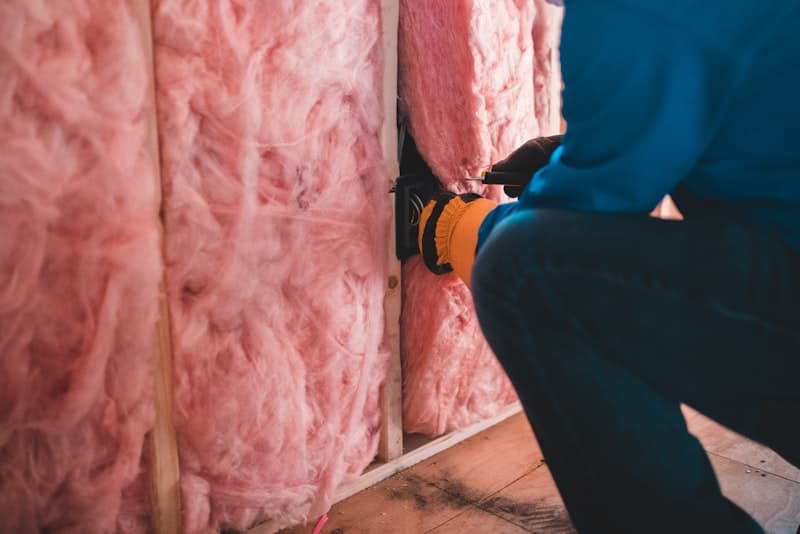
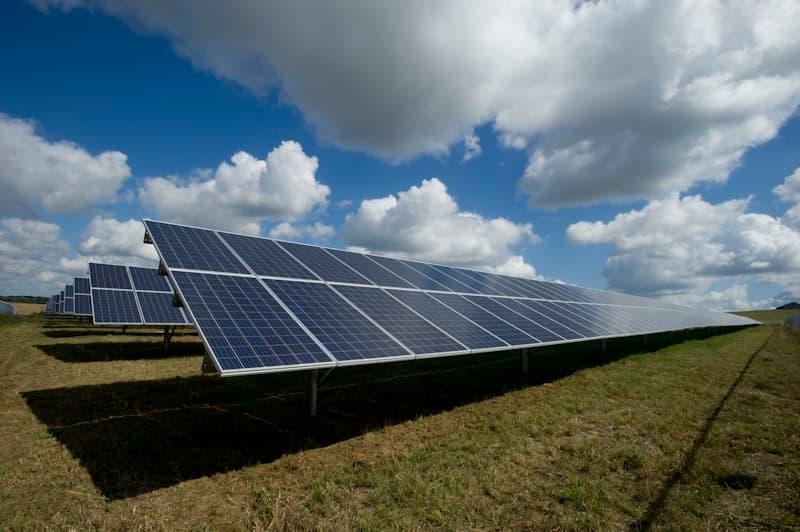
The Warm Home Grant covers multiple improvements. You could qualify for more than one.
Ready to Switch to a Heat Pump?
Apply for your free air source heat pump today. Reduce your bills, cut your emissions, and enjoy a warmer, more comfortable home.